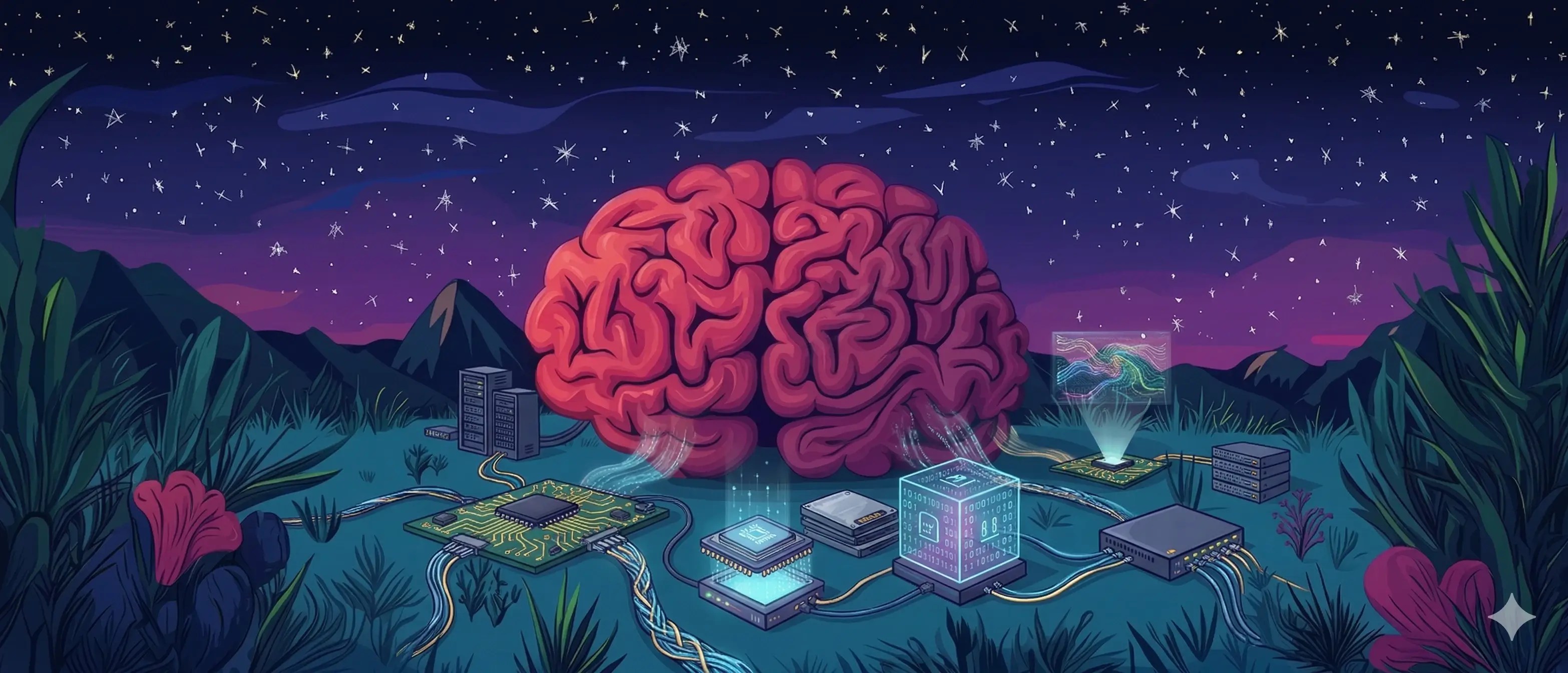
The concept of a "Second Brain" has captured the imagination of knowledge workers everywhere. The idea is simple: instead of keeping everything in your head, you build an external system that captures, organizes, and retrieves information for you.
But most people who try to build a second brain hit the same wall: the tools get in the way. Too many folders, too many tags, too much friction between having a thought and storing it somewhere useful.
TapoWise was designed to eliminate that friction. Here's how to use it as your second brain — without the overhead.
Step 1: Capture Everything
The first rule of building a second brain is simple: capture before you organize. Don't worry about where something goes. Just get it out of your head.
In TapoWise, the Stream is your capture tool. Think of it as a never-ending scratch pad:
- Paste a URL you want to read later
- Jot down a half-formed idea
- Drop a quote from something you're reading
- Write a quick reflection after a meeting
The Stream is chronological and low-pressure. There's no "right" structure. Just write.
Step 2: Let Connections Emerge
Here's where TapoWise diverges from traditional note-taking. Instead of manually organizing into folders or tagging everything, you link ideas as they connect naturally.
When you're writing a note and mention something you've captured before, TapoWise suggests links. Accept them with a single keystroke. Over time, your knowledge graph grows organically — not because you sat down to organize, but because you followed your natural thinking patterns.
The graph view lets you see these connections at any time. You'll often discover relationships between ideas that you hadn't consciously noticed.
Step 3: Create Knowledge Notes
As patterns emerge in your stream and links, you'll naturally want to crystallize certain ideas into more permanent notes. In TapoWise, we call these Knowledge Notes — they're the refined output of your thinking.
A good knowledge note:
- Captures one idea clearly — not a dump of raw material, but a distilled insight
- Links to its sources — connected to the stream entries, articles, and other notes that led to it
- Is written in your own words — paraphrasing forces understanding
You don't need to create knowledge notes on a schedule. Let them emerge when an idea feels solid enough to stand on its own.
Step 4: Review and Rediscover
The real power of a second brain isn't just storing information — it's surfacing the right information at the right time.
TapoWise helps with this in several ways:
- Graph exploration — Browse your knowledge visually. Follow links between ideas to find unexpected connections.
- Smart search — Search not just by keywords, but by relationships. "What ideas are connected to X?"
- Snapshots — Every version of every note is preserved. You can trace how an idea evolved over time.
Common Mistakes to Avoid
After watching hundreds of knowledge workers build their systems, here are the pitfalls we see most:
- Over-organizing too early. Resist the urge to create complex folder hierarchies before you have content. Structure should emerge from use, not precede it.
- Treating it as an archive. A second brain isn't a filing cabinet. It's a thinking tool. If you're only storing and never revisiting, you're missing the point.
- Perfectionism. Your notes don't need to be polished. Quick, rough, honest notes are more valuable than carefully crafted ones you never write.
Start Simple
The best second brain is the one you actually use. Start with the Stream. Capture a few thoughts each day. Let the connections build naturally. In a few weeks, you'll have a living knowledge base that thinks with you — not just stores for you.
Ready to start building your second brain? Download TapoWise and begin capturing your ideas today.